Prompting Is the New Creative Direction
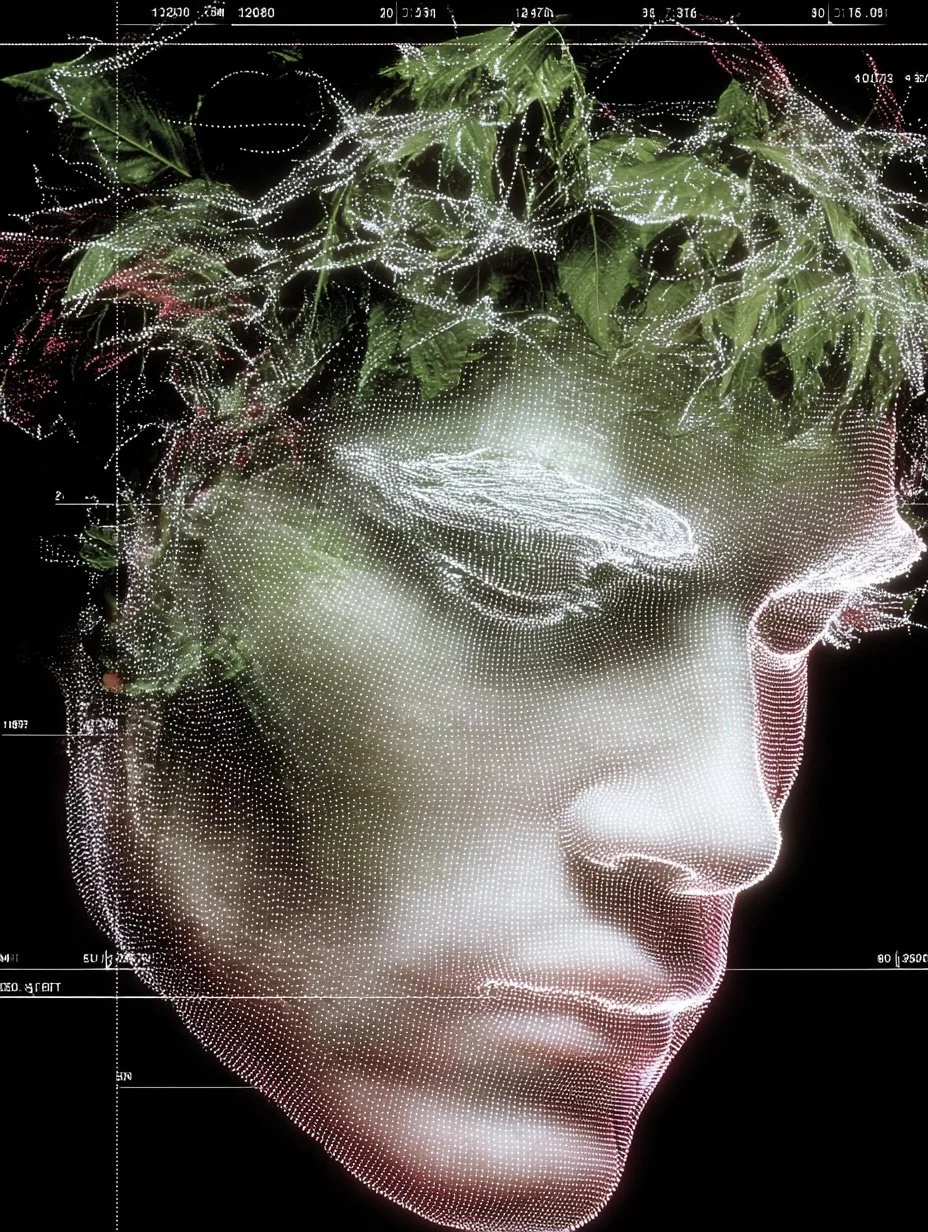
The first time I realised that prompting felt more like directing than typing, it was already past midnight. The room was quiet except for the soft hum of my laptop fan. I had written the same sentence three different ways, each time watching the image change in response. A forest became a ruin. A ruin became a memory. A memory became something theatrical and strange. Nothing in the software itself had changed. Only the words had.
It felt less like operating a tool and more like speaking to something that was listening imperfectly - like a collaborator who understood tone but not intention. I wasn’t asking for images anymore. I was shaping behaviour.
We tend to think of prompts as commands. Do this. Make that. Generate something beautiful. But what I was learning was that prompting is not instruction, it is composition, it is structure, it is language acting as design.
For most of my life as a designer, form came first - a grid, a sketch, a visual idea waiting to be refined. Now, the first act of creation is linguistic. A sentence becomes a space. A paragraph becomes a mood. An adjective becomes a material. This shift feels subtle, but it is cultural. We are watching creativity migrate from the hand to the sentence.
In the past, creative direction meant arranging people and objects in the physical world. A photographer would adjust the light. A designer would choose a typeface. A filmmaker would frame a scene. Today, we describe a world and wait for it to appear. The studio has become a text box.
What surprised me most was how much intention mattered. A vague prompt produces spectacle. A thoughtful prompt produces coherence. The difference is not technical, it is emotional. It depends on whether you know what you are trying to say.
I began to notice that the best results came not from clever keywords, but from restraint - deciding what not to include, building boundaries around an idea so that it could become itself. Prompting felt less like invention and more like editing before the thing even existed.
Constraint has always been the quiet partner of creativity. A sonnet survives because it has rules. A poster works because it obeys margins. A system functions because it knows where it ends. Prompting, too, is an architecture. It creates a corridor in which the machine can move. Without structure, everything looks like everything else.
There is a cultural anxiety embedded in this moment: that if machines can create endlessly, then authorship dissolves. But authorship has never been about producing the most things. It has always been about choosing the right ones. The machine can propose. The human must decide.
What makes prompting feel like creative direction is not the output. It is the judgment that follows - the eye that says this one carries meaning and that one does not, the instinct that recognises tension, silence, excess, or beauty.
Language has always shaped reality. We name things into existence. We frame experiences with metaphors. We tell stories that become systems. Prompting is simply a new version of an old human act: describing the world we want to see.
And yet, something delicate is happening here.
When creation becomes conversational, the designer becomes responsible not just for form, but for narrative. The words we choose reflect our inner references: the films we watched, the cities we walked through, the emotions we learned to recognise. A prompt carries culture inside it. It carries bias, desire, memory. In this sense, prompting is not neutral. It is personal.
My prompts now resemble journal entries more than technical scripts. I write about light falling through windows. About dust and fabric. About slowness and ceremony. The machine answers with images that feel strangely intimate, as if it has learned my obsessions without understanding them.
What I am really designing is not the image, but the conditions for an image to exist.
This is where systems thinking enters. A single prompt is not the work. A family of prompts is. A language emerges. A visual grammar takes shape. Over time, the results stop being random and start becoming recognisable. Style is no longer drawn. It is spoken.
This feels both powerful and fragile. Powerful, because it allows a designer to build worlds with words. Fragile, because language can flatten complexity if used carelessly. When prompts become shortcuts, meaning evaporates. When they become recipes, imagination shrinks.
The danger is not that machines will replace creative direction. The danger is that we will forget that creative direction is about responsibility, about asking better questions, about knowing what kind of future we are rehearsing through images.
Every generation redefines what it means to create. Photography once shifted realism. Film altered storytelling. Digital tools changed how we see time and space. Prompting is simply the next grammar in this long conversation between humans and tools.
But grammar alone does not make literature.
What remains essential is the inner stance of the designer: the ability to hold ambiguity, to tolerate not knowing, to refine an idea through attention rather than speed. Prompting rewards patience. It reveals the difference between wanting something and understanding why you want it.
Late at night, when I close my laptop, I think about how strange it is that creation now begins with words again. After centuries of images, we are back to language - back to sentences shaping worlds.
Perhaps this is not a revolution, but a return.
Prompting is not the future of creativity. It is the reminder that creativity has always lived in how we describe what we cannot yet see.
And maybe that is what creative direction means now: not commanding the machine, but learning how to speak clearly enough that something meaningful can answer back.
